Equipment Leasing for Small Construction Firms: A 2026 Guide
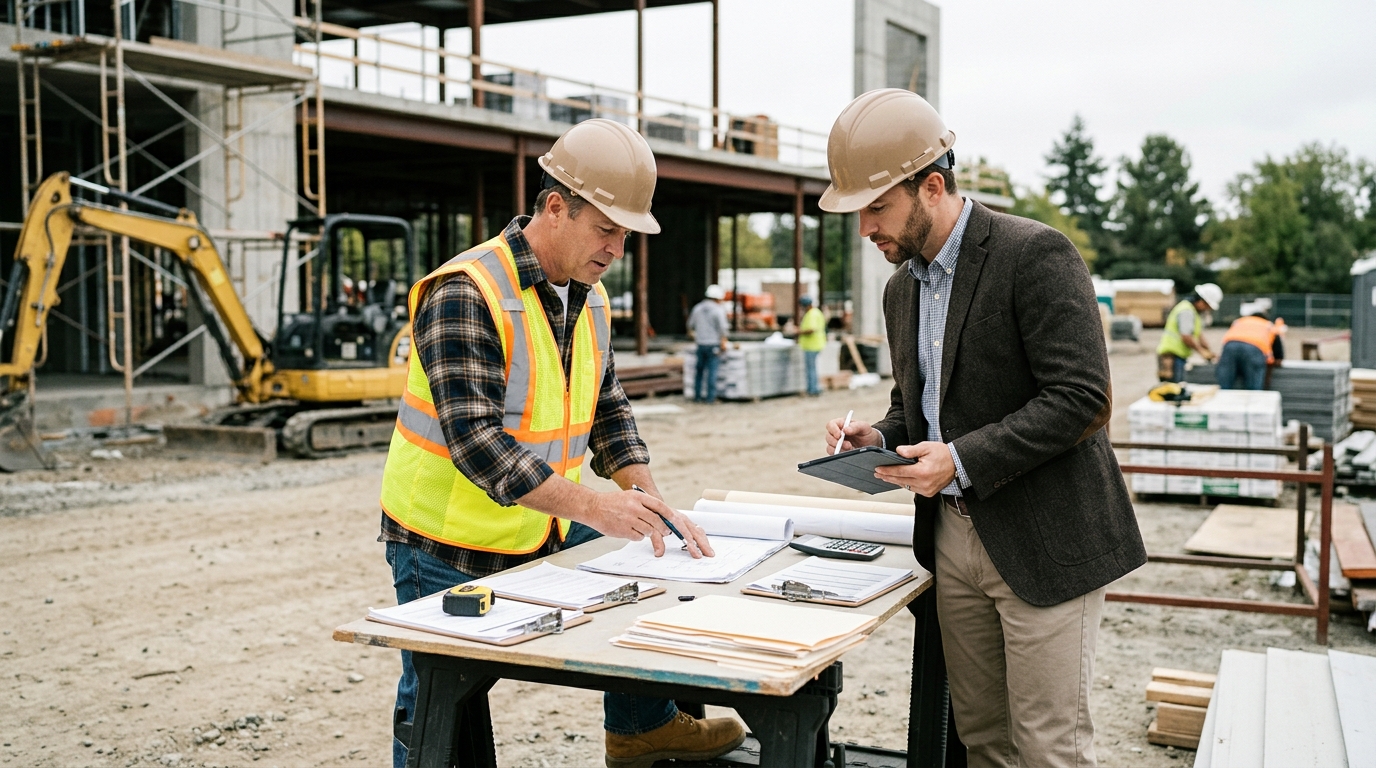
How do I secure the best equipment leasing for small construction firms right now?
You can secure equipment leasing for small construction firms by providing a formal equipment quote and three months of business bank statements to a specialized lender. See if you qualify for 2026 rates now.
To move quickly, avoid traditional big-bank loans that take months to approve. Specialized equipment lenders focus on the asset's value rather than just your personal balance sheet. By prioritizing the resale value of the heavy machinery you are financing, these lenders can often approve funding in as little as 48 hours. Whether you need a single excavator, a skid steer, or a full fleet vehicle financing for contractors, the key is to have your documentation digitized and ready to upload. Working capital is the lifeblood of a job site, and securing the right lease allows you to keep your cash reserves intact for unexpected labor costs or material price hikes. By choosing the right financial partner, you match your specific trade needs with lenders who understand the nuances of the 2026 construction market, ensuring you aren't stuck paying for idle iron when you could be on the next project.
Furthermore, when you are looking at managing your cash flow, it is helpful to use a Commercial Truck Loan Payment Calculator for 2026 to get a clear picture of your obligations before you sign. This lets you stress-test your margins against different interest rate environments, ensuring that the equipment you lease actually contributes to your profit rather than draining it.
How to qualify
Qualifying for fast contractor funding options in 2026 relies on presenting a clear, reliable financial picture to a lender. While the process is streamlined, you must meet specific thresholds to avoid rejections or high-interest traps. Here is the breakdown of what lenders need to see:
- Time in Business: Most reputable lenders expect at least one full year of operational history. If you are a newer entity (a startup), prepare a solid business plan and a contract backlog to show projected revenue. If you cannot prove one year, expect to provide a personal guarantee and potentially higher down payments.
- Credit Profile: While contractor business loans for bad credit are available, a personal credit score above 600 consistently opens the door to prime interest rates. If your score is lower, expect to provide a higher down payment or a shorter lease term to mitigate the lender's perceived risk.
- Cash Flow Proof: Provide the last three to six months of business bank statements. Lenders look for consistent daily balances to ensure you can handle the monthly payment. They aren't just looking for total deposits; they are looking to see if you are operating on a razor-thin margin that could be wiped out by a single bad month.
- Equipment Details: You need a formal invoice or quote from an authorized dealer. Include the year, make, model, and the total cost including attachments. Lenders treat the equipment as collateral, so they need to verify its market value against the loan amount.
- Licensing and Insurance: Have your current business license, proof of general liability insurance, and worker’s compensation documents ready. Lenders verify these to confirm you are a legitimate operating entity and that the asset will be protected by insurance in case of job site damage.
- Application Submission: Use a centralized platform to submit your profile. Ensure your business information, including your EIN and legal address, matches exactly across all tax documents. Discrepancies here are the number one cause of processing delays.
Comparing Leasing Strategies
| Option | Best For | Tax Treatment | Ownership at End |
|---|---|---|---|
| Operating Lease | Upgrading equipment every 2-3 years | Deductible as operating expense | No (Return to lessor) |
| Capital Lease | Long-term projects, building equity | Depreciable asset | Yes ($1 buyout) |
| Equipment Loan | Fixed assets you'll keep 5+ years | Depreciation & Interest deduction | Yes (Owned from start) |
When comparing these paths, consider your specific 2026 project pipeline. If you have a massive infrastructure project scheduled for the next 24 months that requires high-spec machinery, an operating lease is often the smarter choice. It keeps your monthly overhead low and gives you the flexibility to swap out for newer, more efficient models as technology improves. If, however, you are building a foundational fleet of durable machinery that you plan to run into the ground over the next decade, a capital lease or a traditional equipment loan is superior. This builds equity. To help you evaluate whether you should hold or upgrade, sometimes it is more prudent to consider Refinancing Injection Molding Machinery in 2026 or similar heavy assets you already own to free up cash, rather than taking on a new debt obligation for a piece of equipment that might sit idle during the off-season.
What are current heavy machinery financing rates 2026?: Interest rates for qualified contractors currently range from 6% to 15% for prime borrowers, though some high-risk programs for startups or those with poor credit can reach 25% or more if credit scores are below 580.
Can I get equipment financing with no down payment?: Yes, many lenders offer 100% financing programs for established contractors who have been in business for over three years, possess strong, consistent monthly cash flow, and have a solid equipment track record.
How does invoice factoring for construction work for cash flow?: Factoring allows you to sell your outstanding invoices to a third party for an immediate cash advance—typically 80% to 90% of the invoice value—which bridges the gap for payroll and operating expenses while you wait for the general contractor to release payments on a net-60 or net-90 schedule.
Understanding the Mechanism of Equipment Financing
Equipment financing is essentially a secured loan or a structured rental agreement where the equipment itself acts as the collateral. This is why it is often easier to get than a general business loan. If you default, the lender takes the machine. This lower risk for the lender translates into lower interest rates and faster approval times compared to unsecured working capital loans.
In 2026, the construction sector is seeing a shift toward more flexible, tech-enabled lending platforms. According to the Small Business Administration, small businesses that utilize asset-based financing can often lower their overall cost of capital compared to revolving credit lines that carry variable interest rates. This is critical in the construction industry, where profit margins are tightly tied to project-specific expenses. By locking in a fixed rate for equipment financing, you insulate your company against market fluctuations.
Furthermore, the speed at which you can secure funding matters. According to the Federal Reserve, the primary barrier to growth for small construction firms remains access to timely, affordable credit when the project pipeline expands. Whether you are using a construction line of credit to manage temporary labor surges or seeking trade contractor startup loans to get your first major fleet vehicle, the goal is always to reduce the gap between revenue generation and cash availability. Equipment leasing helps you bridge this gap by preventing a massive upfront cash outlay, which would otherwise be tied up in a down payment on a new piece of iron. Instead, that cash remains available to cover materials, site rentals, or unexpected permitting fees, ensuring that your firm remains agile regardless of the economy.
Bottom line
Equipment leasing allows you to secure the heavy iron you need to stay competitive without draining the cash reserves necessary for daily operations. Assess your 2026 project backlog today, choose the lease structure that aligns with your tax strategy, and connect with a lender to finalize your funding.
Disclosures
This content is for educational purposes only and is not financial advice. thecontractors.news may receive compensation from partner lenders, which may influence which products are featured. Rates, terms, and availability vary by lender and applicant qualifications.
Ready to check your rate?
Pre-qualifying takes 2 minutes and won't affect your credit score.
See if you qualify →Frequently asked questions
What is the best way for a small construction firm to get equipment financing in 2026?
The fastest method is using a specialized equipment lender that focuses on the asset's value rather than just your personal credit score, allowing for approval in under 48 hours.
Can I get construction equipment financing with bad credit?
Yes, lenders catering to construction firms often look at the value of the machinery and your cash flow history rather than just your credit score, though you may need a higher down payment.
Is an operating lease better than a capital lease for contractors?
It depends on your goals: an operating lease lowers monthly costs and helps with frequent equipment upgrades, while a capital lease builds equity toward ultimate ownership of the asset.
How does equipment financing impact my taxes?
Many equipment leases allow you to deduct monthly payments as an operating expense, which can significantly lower your taxable income compared to buying equipment outright.