June 27, 2026
May starts cratered 15.4% — and materials still climbed
Fewer starts, pricier steel. Protect your margin while both sides squeeze.
Morning, boss —
The double whammy is here. May housing starts fell to a 1,177,000 annual rate — down 15.4% from April (1,392,000) and down 8.7% from May 2025 (1,289,000), per the Census Bureau. Fewer starts, pricier materials. Today: protect your margin while both sides squeeze.
Quick Bites
1. Permit move. Florida's HB 803 takes effect July 1 — no permit required for work under $7,500 on single-family homes. (Insurance Journal)
2. Materials. NAHB says metal molding and trim is up ~50% YoY; softwood lumber got modest relief.
3. Tool. Q2 survey data shows AI-using contractors reporting faster bid turnarounds and higher win rates than non-adopters — and the gap is growing. (Construction Week)
4. Tactic. Re-quote every open bid before you order steel — tariff cost runs $15–$25/sqft on mid-rise multifamily. (Q2 cost outlook)
5. Number of the day. 349,000 — new workers the industry needs to fill in 2026. (labor data)
On the Jobsite Today
Here's what's on the board:
- 📋 Florida kills small-job permits July 1 — plus California's disclosure rules and 2026 bond thresholds.
- 🏗️ Starts crashed 15.4% in a single month while labor stays short — the margin vise tightens.
- 🛠️ The AI gap is real now — what a small crew should actually do this week.
- 💵 Working capital when materials cost more — LOC vs. SBA 7(a), side by side.
Florida drops permits on small jobs July 1
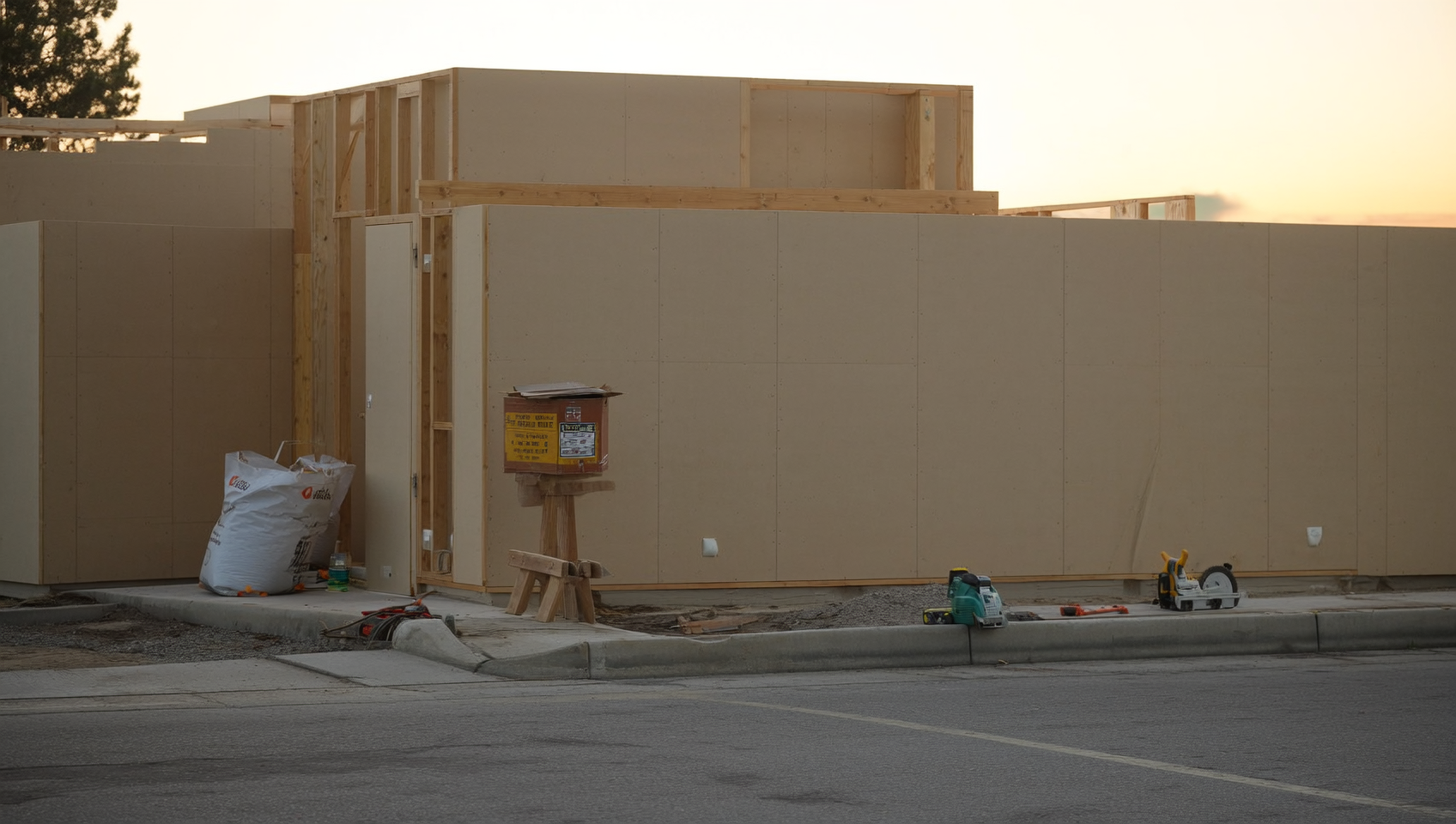
Florida's HB 803 takes effect July 1, 2026 — no permit required for work valued under $7,500 on single-family dwellings.
Why it hits your job margin:
- Faster small jobs. Repairs and small remodels under $7,500 skip the permit queue — less downtime between scheduling and start. (Insurance Journal)
- Document the value. Keep written scope and pricing that proves you're under $7,500 — that number is your defense if an inspector or insurer asks later.
- Different state? Different rules. California's new 2026 contractor laws (SB 517) now force home-improvement contracts to name subcontractors, and raise bond requirements, wage enforcement, and penalties.
💡 Why it matters: Bond thresholds vary by state. The Carolinas bond playbook lays them out — the federal Miller Act covers contracts over $150k, North Carolina's Little Miller Act at $50k, South Carolina at $100k. Know your number before you bid public work.
Bottom line: If you run small residential jobs in Florida, your July schedule just got faster — bank the saved days, don't give them away.
Starts fell 15.4% in a month — labor's still short
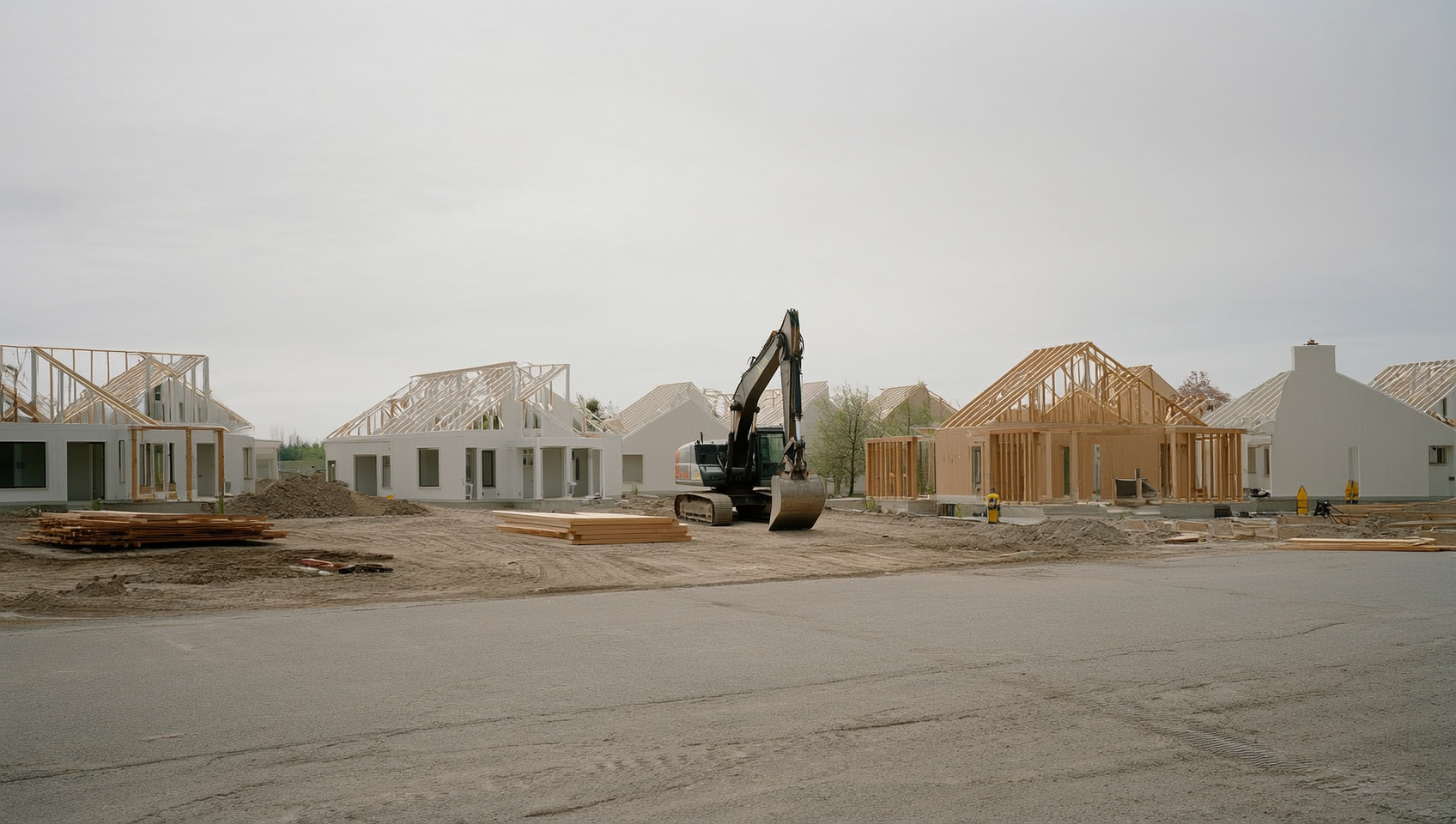
May housing starts dropped to a 1,177,000 annual rate — down 15.4% from April and down 8.7% from May 2025 — with single-family at 882,000.
Why it hits your job margin:
- Fewer starts, same crew cost. Construction wages are up 4%+ YoY and retention pressure is pushing total labor cost higher on tight crews — that doesn't fall just because starts did. (labor data)
- The double whammy. AGC chief economist Ken Simonson says contractors face "rising materials prices and slower growth in bid prices." Costs up, bid power down. (MarketScale)
- Labor is still the choke point. The industry needs 349,000 new workers in 2026, with data centers and manufacturing pulling from your labor pool. (Birm Group)
💡 Why it matters: If your bids don't price in labor escalation, you're funding the wage war out of your own margin. Re-quote open bids before you commit materials.
Bottom line: Slower starts don't mean lower costs — protect your backlog and bid the labor you'll actually pay for.
The AI gap stopped being an anecdote

Q2 2026 survey data shows contractors using AI tools reporting faster bid turnarounds and higher win rates — the gap with non-adopters is no longer theoretical, and it's compounding.
Why it hits your job margin:
- Speed on estimates. AI bid-assist cuts takeoff and quote time — more bids out the door without adding office staff. If your tool can't show you a before/after on hours, it's not doing the job.
- Start small. Pick one workflow — estimating or RFI/submittal drafting — and run a single paid tool for 30 days against your current process.
- Measure the delta. Track hours saved and win rate. If it doesn't move a number, kill it. (Construction Week)
💡 Why it matters: You don't need an AI strategy. You need one tool doing one job better than your spreadsheet.
Bottom line: The gap compounds — every month you wait, the bid-fast shops widen the lead.
Working capital when materials cost more
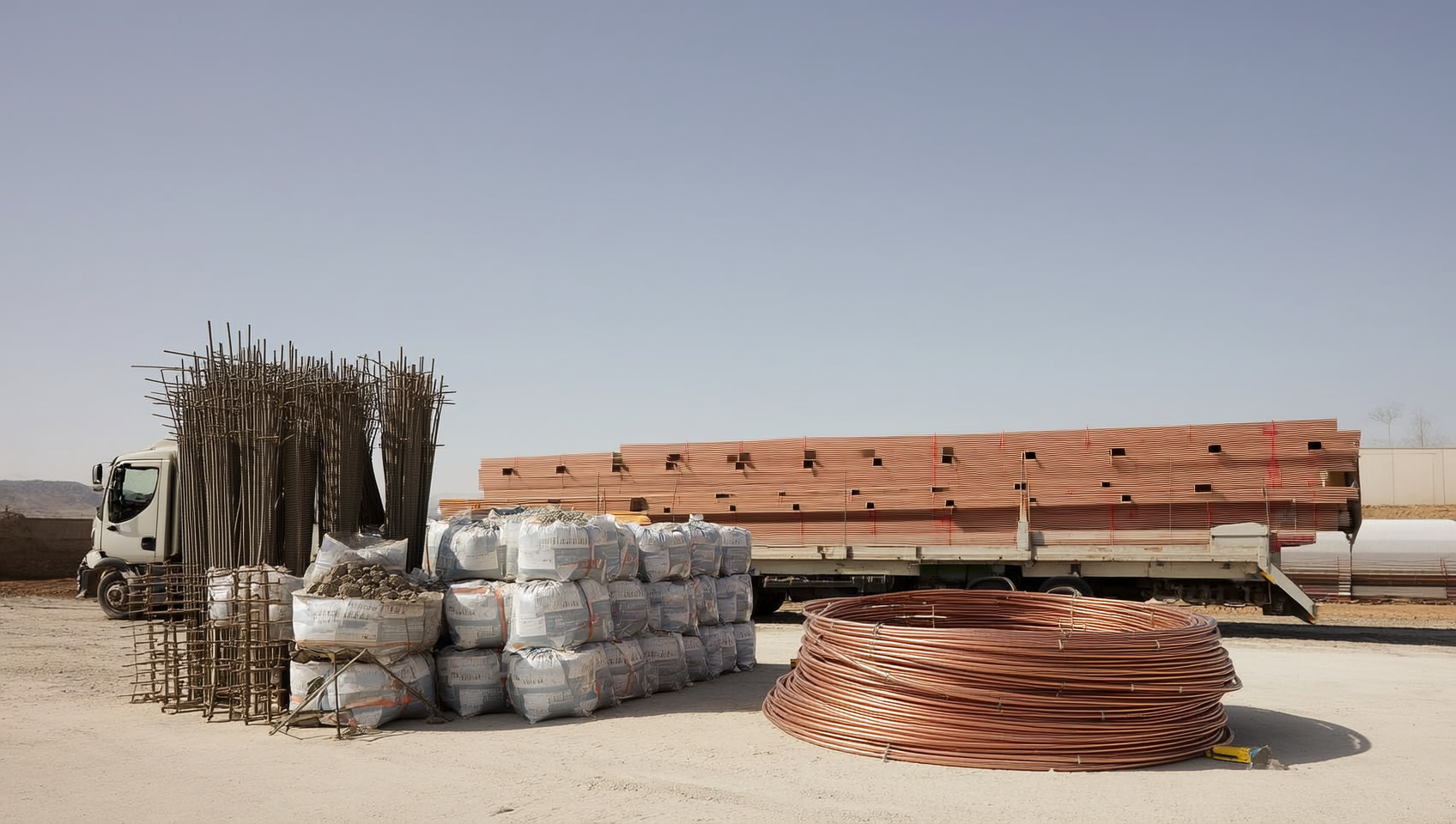
Higher materials prices tie up more cash before you get paid — here's how to bridge it without torching your margin.
Two common bridges, side by side:
🔴 Business line of credit — Draw $1k–$250k as you need it, 1–2 day funding, 6–18 month revolving term. Best for covering materials, subs, and labor before draws clear.
🔵 SBA 7(a) Working Capital Pilot — Cheaper money, slower to close. Rate caps (updated March 2026): base + 6.5% under $50k, base + 6.0% ($50k–$250k), base + 4.5% ($250k–$350k), base + 3.0% above $350k. (SBA)
💡 Why it matters: Model the payment first. A fast LOC fills a gap this week; SBA 7(a) is cheaper but won't fund Friday's payroll. Match the tool to the timing.
And don't drop coverage while cash is tight: GL for GCs can start around $83.33/month, with tools and equipment insurance at $600–$1,000/month. (Next Insurance)
Bottom line: A materials spike is a cash-flow problem before it's a margin problem — line up the credit before you need it.
🧭 How to finance a large project without straining cash flow?
For a GC bridging materials and payroll on a large job before draws, lead with material financing (Billd-style) to cover the supply chain without burning credit capacity, and layer a business line of credit for payroll and sub payments if you meet the qualification threshold. Simultaneously, negotiate draw schedule alignment in the owner contract to reduce the structural gap going forward — that combination protects bonding capacity, keeps cost of capital manageable against typical GC margins, and avoids over-reliance on any single facility.
💡 Bottom line: If your gap is at the supplier invoice, fit material financing first to protect your credit line; if your gap is payroll and mobilization across draw cycles, fit a revolving line of credit; if you're pre-qualifying or planning ahead, fit an SBA 7(a) for lower cost of capital on the next large job.See all 5 compared →
Presented By
Presented By — The GC Owners Desk
📘 The GC Project Financing Guide. Materials are up, starts are down, and the gap between "job won" and "cash in hand" keeps stretching. Our free guide breaks down how to fund materials and payroll between draws — line of credit vs. SBA 7(a) vs. equipment financing, plus the questions to ask before you sign.
Get the free guide →
*A GCOwners.news house resource.*
So You Don't Miss a Beat
- Census: May new residential construction — the full starts and permits tables.
- NAHB: building material price growth — what's up, what got relief.
- BLS: ready-mixed concrete PPI — index climbed 368.3 (Jan) → 374.8 (May 2026).
- Q2 2026 construction cost outlook — steel, tariffs, and copper-heavy MEP.
- Florida HB 803 explained — the under-$7,500 permit exemption.
- California's 2026 contractor laws — SB 517 and the disclosure package.
- Carolinas surety bond playbook — 2026 thresholds for public work.
- Protect margins from tariff costs — structural alternatives to steel.
Builder Pulse
What should we dig deeper on next edition? Tap one:
Useful Today?
Who We Are
GCOwners.news — Get smarter about running your construction business in 5 minutes. Written for licensed general contractors and small construction companies (1–30 crew) by The GC Owners Desk. Operator to operator — no fluff, just what hits your job margin.
TheContractors.news is a marketplace, not a lender. Sponsor and vendor content is always labeled.