Protecting Your Assets: A Contractor’s Guide to Financing and Insurance in 2026
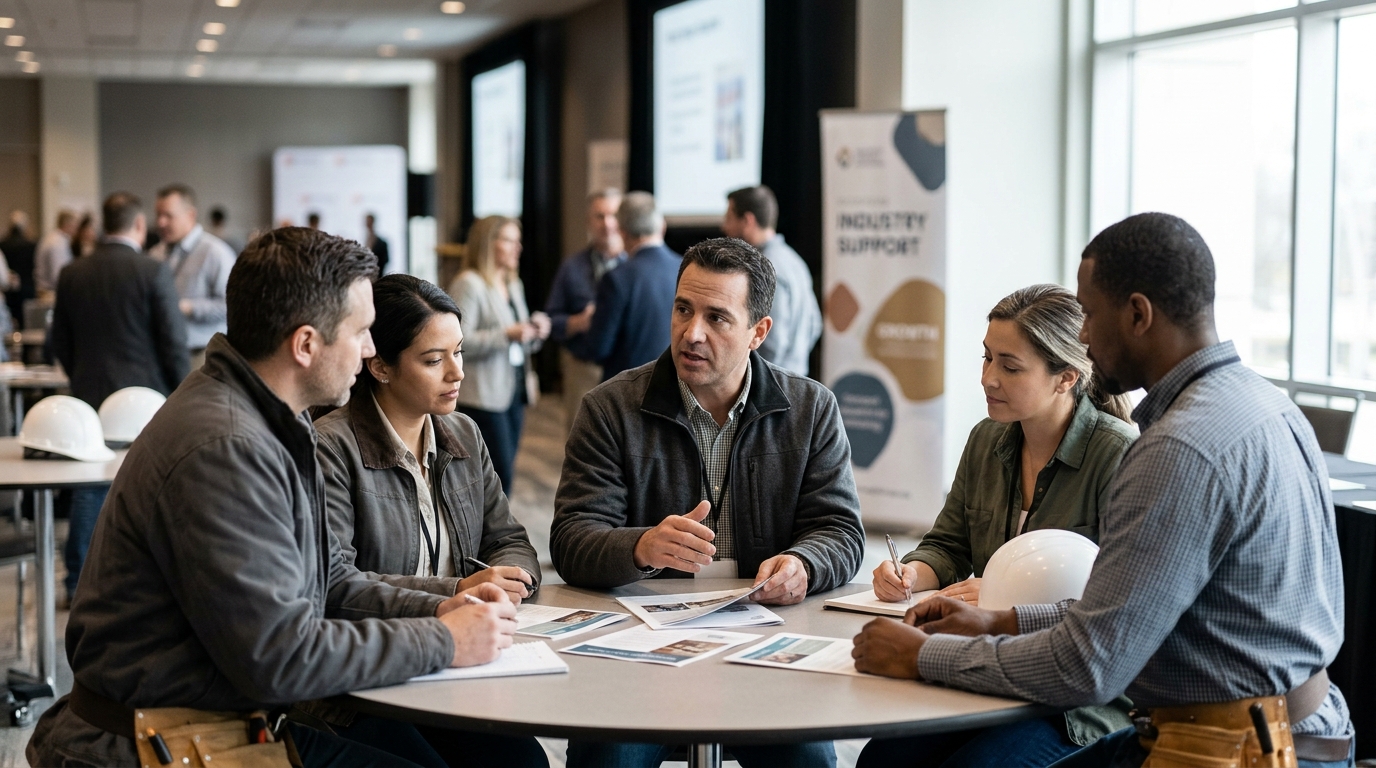
Which financing option is right for your construction equipment needs in 2026?
You can secure construction equipment financing in 2026 by choosing either a loan or a lease based on your cash flow, tax goals, and how long you need the machinery.
[See your funding options and check rates now.]
If you need heavy equipment—like a skid steer, excavator, or specialized fleet vehicle—you generally have two main paths: an equipment loan or an equipment lease. An equipment loan functions like a mortgage for your machinery; you pay it off over a set term, and at the end, you own the asset outright. This is usually preferred if you plan to keep the equipment for its entire useful life. Rates for heavy machinery financing in 2026 are highly dependent on the "loan-to-value" ratio. If you put 10% to 20% down, you significantly reduce the risk for the lender, which often unlocks better interest rates and removes the need for additional collateral.
Alternatively, leasing acts more like a rental agreement with a buyout option at the end. For growing firms, this is often the fastest route because it requires less cash upfront, sometimes even zero down payment equipment financing if your credit profile is strong enough. If your business is scaling rapidly, a lease helps you manage payroll gaps by keeping your monthly output predictable and allowing you to upgrade to the latest tech every few years. The key in 2026 is matching the equipment’s lifespan to your repayment term. If you are buying a used mixer that will only last three years, don’t sign a five-year loan contract. You want your debt to disappear before the equipment becomes a maintenance liability.
How to qualify for contractor business loans
Qualifying for capital in 2026 requires a structured approach. Lenders are more risk-averse than they were in previous cycles, so they prioritize "hard" metrics over promises of future growth. Here is exactly what you need to have ready to get approved for construction equipment financing or working capital:
- Time in Business: Most traditional lenders want to see at least two years of operational history. If you are a startup, expect to focus on specialized trade contractor startup loans that rely more on the personal credit of the owner and the value of the equipment being financed rather than company age.
- Credit Score Thresholds: While you can find contractor business loans for bad credit (typically 550–600 FICO), your interest rates will be significantly higher. For prime rates in 2026, you generally need a score of 680 or above. If your credit is top-tier, securing financing for expensive shop machinery becomes much easier and cheaper.
- Documenting Cash Flow: You need at least three to six months of bank statements. Lenders are looking for consistency. If your account frequently dips below $500, they will view you as high-risk. Ensure your average daily balance is healthy.
- Equipment Quotes: If you are applying for equipment financing, have the official invoice or quote from the dealer. Do not guess the price. Lenders need the exact dollar amount and the serial number (if used) to determine the collateral value.
- Collateral/Down Payment: In 2026, lenders are looking for "skin in the game." While some lenders offer 100% financing, preparing a 10%–20% down payment significantly improves your approval odds, especially for heavy machinery.
By having these items organized in a single digital folder before you apply, you can reduce the funding timeline from weeks to days.
Loan vs. Lease: Making the decision
When you are deciding between purchasing equipment outright or utilizing a lease, you are essentially making a choice between balance sheet ownership and cash flow flexibility. Use the comparison below to weigh your immediate priorities.
Pros and Cons of Financing Methods
| Feature | Equipment Loan | Equipment Lease | Invoice Factoring |
|---|---|---|---|
| Ownership | You own the asset | Usually rent to own | N/A (Cash advance) |
| Upfront Cost | Moderate (Down payment) | Low (Often zero down) | None |
| Best For | Long-term use | Upgrading/scaling | Solving payroll gaps |
| Tax Benefit | Interest deduction | Lease payments (expense) | Fees are expenses |
If your primary goal is scaling operations and you have high-dollar contracts waiting on work, invoice factoring is often the most efficient tool. It doesn't put you into debt in the traditional sense; instead, you sell your outstanding invoices to a factoring company for an immediate cash advance—typically 80% to 90% of the invoice value—minus a small fee. This is superior to a construction line of credit if you have slow-paying clients, as it turns your "Accounts Receivable" into usable working capital within 24–48 hours without the rigid requirements of a bank loan. If your priority is building equity in a permanent fleet, stick to a standard equipment loan. Always calculate the total cost of ownership (TCO). A lease might look cheaper monthly, but the total paid over the term is often higher than a loan.
Is there a way to get equipment financing with bad credit?: Yes, look for asset-based lenders who prioritize the value of the machinery over your FICO score; in 2026, several lenders specialize in this, though you should expect higher down payments of 20-30%.
Which is better: a line of credit or invoice factoring?: A line of credit is best for general overhead, payroll gaps, and emergency repairs, whereas invoice factoring is strictly for monetizing work already performed; for those needing to secure capital for expensive machine tool upgrades, equipment-specific loans remain the industry standard.
What are current rates for heavy machinery financing?: Rates for well-qualified contractors in 2026 typically range from 7% to 14% annually, but they can climb above 20% if you have lower credit or if the equipment being financed is older or high-mileage.
Understanding the intersection of financing and insurance
When you finance heavy machinery, you aren't just taking on a debt obligation; you are entering a fiduciary agreement. Almost every equipment lender requires proof of "Physical Damage Insurance" and "General Liability" before they will release the funds. This is a critical step many contractors overlook, leading to delays in receiving the equipment.
Commercial insurance for contractors is not a monolith; it is a layered defense. You have General Liability, which protects you against claims of bodily injury or property damage caused by your work. Then, you have Inland Marine insurance, which is often misnamed—it has nothing to do with water. It is the industry standard for insuring tools and heavy equipment while they are in transit or on a job site. According to the Small Business Administration, construction businesses are among the highest-risk categories, making adequate coverage a non-negotiable component of any long-term loan agreement as of 2026. If you fail to carry this, the lender will likely force-place their own insurance on the equipment, which is notoriously expensive and provides zero liability protection for you.
Furthermore, the current market climate dictates that you must show proof of insurance that meets the lender’s specific "loss payee" requirements. This means the lender is named as a beneficiary on your policy. If your equipment is stolen or destroyed in a fire, the insurance payout goes to the lender first to cover the remaining balance of the loan, protecting their investment. According to the Federal Reserve Economic Data (FRED), the cost of commercial property insurance has seen consistent volatility as of early 2026, meaning you should shop your policies annually rather than auto-renewing. Just as you compare equipment financing rates to keep your overhead low, you must compare insurance premiums to ensure your project margins remain intact. Never view insurance as just an administrative hurdle; it is the financial safety net that ensures that a single site accident doesn't bankrupt your firm or force you to default on your machinery loans.
Bottom line
Securing the right financing for your firm in 2026 comes down to matching the financial product to your immediate cash flow needs, whether that is invoice factoring for short-term gaps or equipment loans for long-term growth. Ensure your insurance is updated before you sign any loan documents, and prioritize lenders who specialize in construction to avoid unnecessary delays.
Disclosures
This content is for educational purposes only and is not financial advice. thecontractors.news may receive compensation from partner lenders, which may influence which products are featured. Rates, terms, and availability vary by lender and applicant qualifications.
Ready to check your rate?
Pre-qualifying takes 2 minutes and won't affect your credit score.
See if you qualify →Frequently asked questions
What is the best way to finance heavy machinery in 2026?
Equipment financing is generally the fastest, using the machinery itself as collateral. This allows for lower down payments and fixed monthly payments, keeping cash flow steady.
Can I get a contractor business loan with bad credit?
Yes, but options are limited. Look for asset-based lenders or invoice factoring, where your equipment or unpaid invoices serve as the primary security rather than your FICO score.
Do I need commercial insurance to qualify for equipment loans?
Most lenders require proof of property and liability insurance before they will fund a loan for heavy machinery to ensure their collateral is protected.